
Now Reading: ETTORE SOTTSASS: A Love of Form and Color
-
01
ETTORE SOTTSASS: a love of shapes and colors

Advertising

Discover hidden travel tips and secrets that will transform your next trip into a truly unforgettable experience.
Ettore Sottsass was a prominent ambassador of Italian design, bringing fame and recognition to the“Italian Style.” An Austrian-Italian architect born on September 14, 1917, in Innsbruck (Switzerland), he lived most of his life in Italy, where he studied architecture at the Polytechnic University of Turin and opened his first architecture firm in Milan in 1947. He was the son of a prominent architect, also named Ettore Sottsass.

After graduating from college, he enlisted in the army and fought for three years in World War II as a member of the Italian army, although he spent much of the war in a concentration camp in Yugoslavia.
The postwar years were “very difficult,” and, as is well known, it was a time when abundance was rare; the lack of money led Ettore to devote himself to designing objects.
Thanks to the establishment of his studio in Milan, after returning home in 1948, Ettore Sottsass’s work caught the attention of Italian businessman Adriano Olivetti, and in 1958 they began a 30-year collaboration that produced such notable works as the famous Elea 9003 mainframe computer—for which he was awarded the “Compasso d’Oro”—and the Valentine portable typewriter. It is important to note that, during those years, the Olivetti company became the primary platform for promoting Italian creatives abroad.
Color, form, style, and his mastery of popular culture, along with his team, made Ettore Sottsass a renowned designer.
Ettore was an eclectic artist; his work can be seen as a journey from rationalism to pop art. He was also a passionate photographer who traveled throughout the United States and met the leading figures of theBeat Generation,from Allen Ginsberg to Jack Kerouac and Gregory Corso.
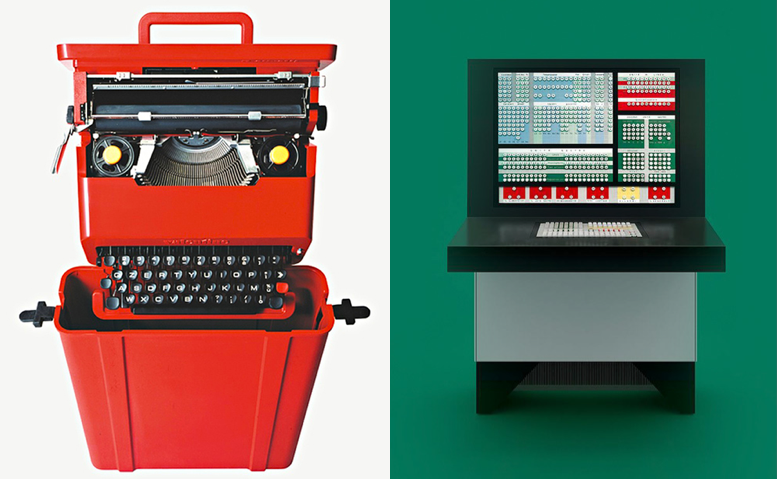
I didn't want to make any more consumer products because it was clear that the consumerist mindset was quite dangerous. During the 1960s – | Ettore Sottsass
Memphis Group
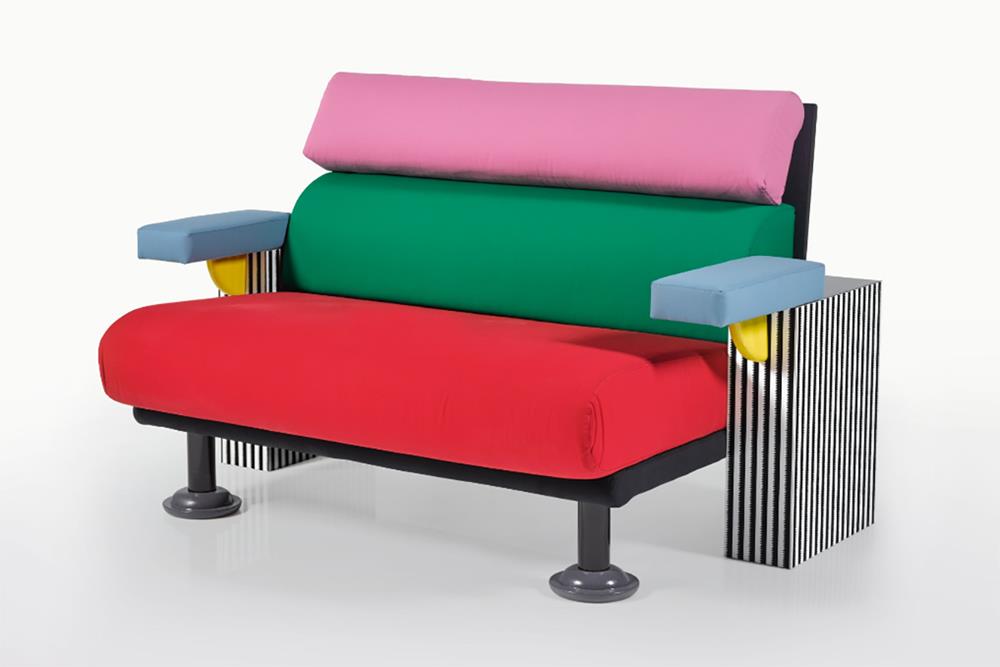
Memphis is a design movement that emerged in the 1980s and was spearheaded by Ettore Sottsass.
On December 11, 1980, several famous designers met with Ettore Sottsass with the idea of organizing a collaborative design group. That meeting gave rise to the group and decorative style later known as Memphis.
Among these great designers who joined Ettore were Hans Hollein, Arata Isozaki, Andrea Branzi, and Michele de Lucchi, among others. This group revolutionized the concept of contemporary furniture with pieces that soon became icons of modernity. The Carlton bookcase, one of his most famous designs, dates from this period.
It was named Memphis after Bob Dylan's song “Stuck Inside of Mobile with the Memphis Blues Again,” which played over and over again during the group's first meeting.
The Memphis movement was presented by Ettore Sottsass at the Milan Furniture Fair in 1981, alongside the other designers who were part of the group (Italian, Japanese, and American designers).
During the group's presentation at the furniture fair, both the public and the critics were divided over the display of quirky and colorful furniture. The reactions were clear-cut—love or hate—with no middle ground.
Since everything has a beginning and an end, it was in 1988 when the group’s founder, Ettore, decided it was time to disband the group, bringing the Memphis movement to an “end.” Despite this dissolution, we can see that some designers are incorporating geometric shapes and bold colors into their new creations, reviving this decorative movement in some way.
We saw this influence on television in the 1980s and 1990s. A prime example is the American series *Saved by the Bell*, where the Memphis style is evident in the decor of the famous café “The Max”—one of the show’s main filming locations—which is frequented by the students of Bayside High School.
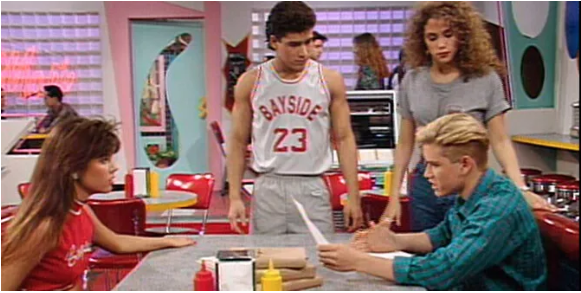
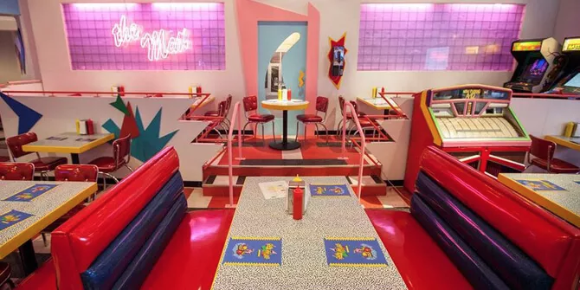
“For me, design is a way of discussing life,” Sottsass said, “it’s a way of discussing society, eroticism, politics, food, and design itself.”
Works by Ettore Sottsass
He hated the label “postmodern” that was often applied to him. “That,” he remarked, “is an American ruse, inventing a culture that doesn’t exist.” However, he had no doubts: “If anything will save us, it will be beauty,” he wrote, in a sort of spiritual testament.
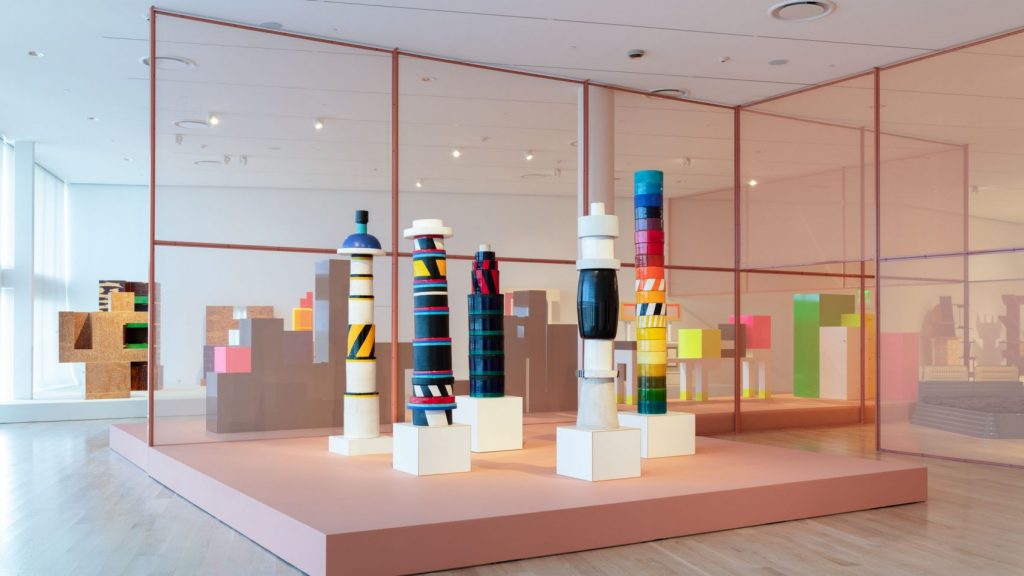
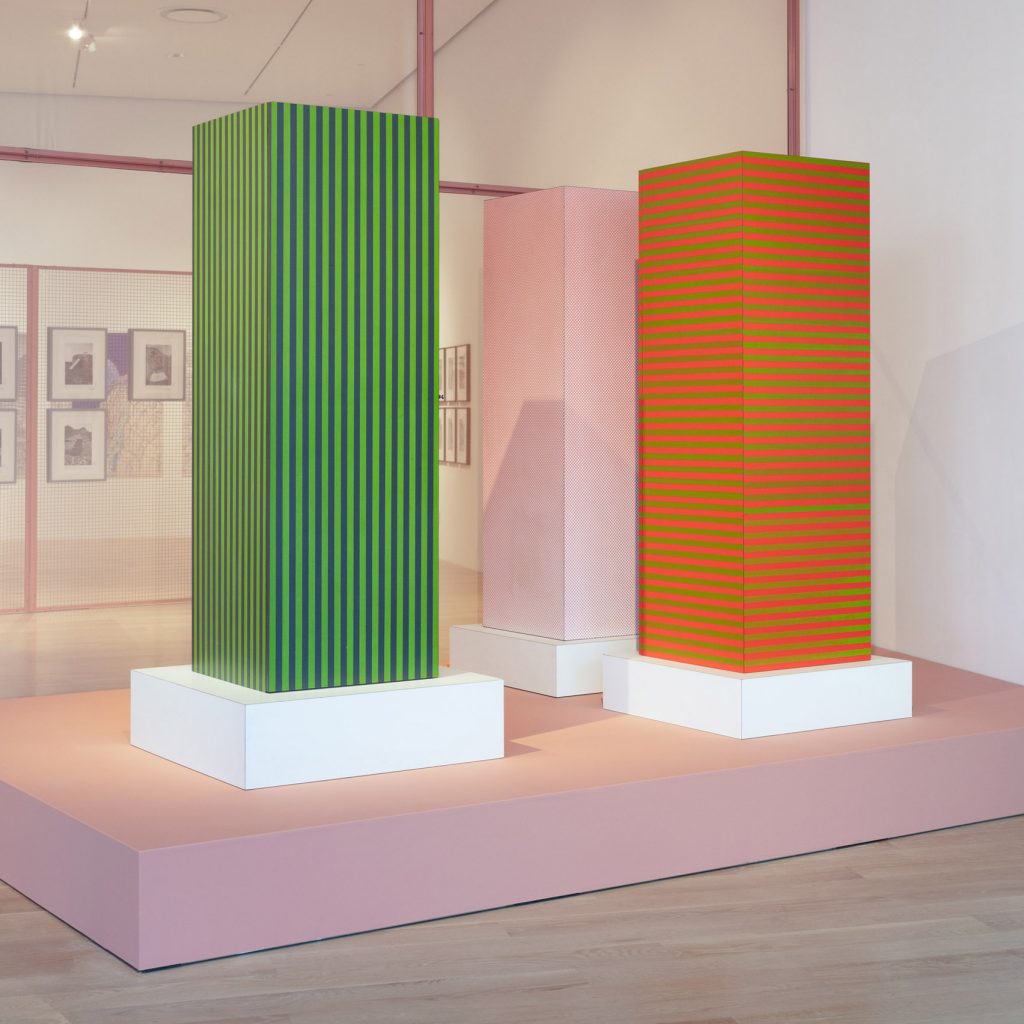
(Institute of Contemporary Art, Miami)
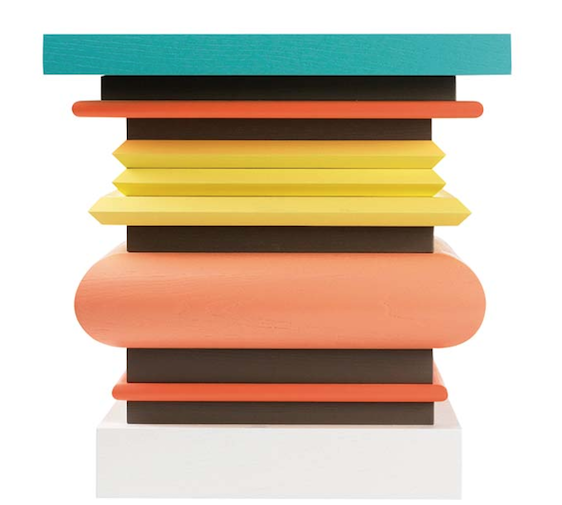
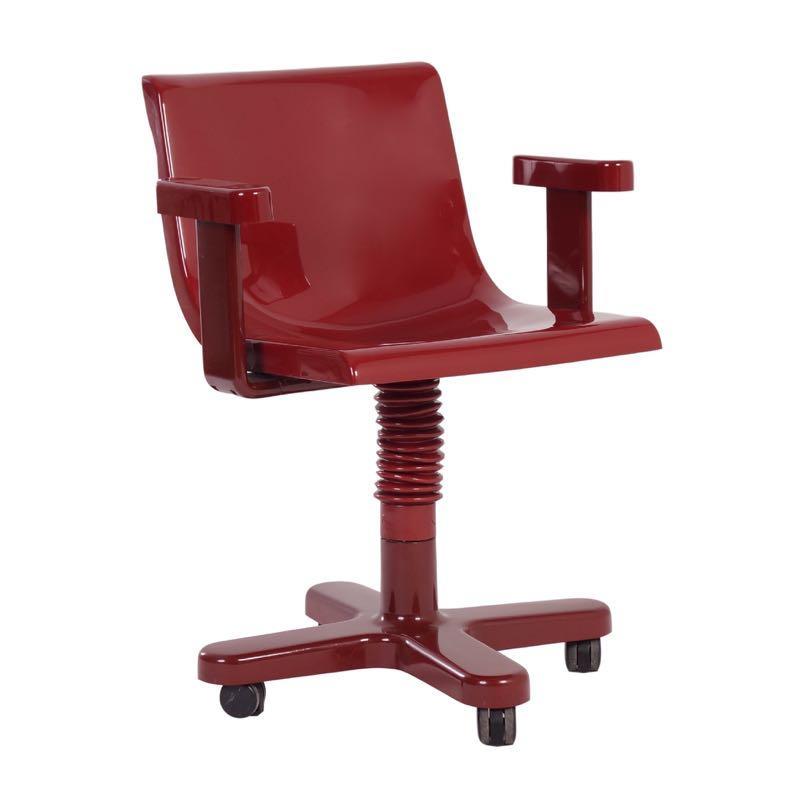

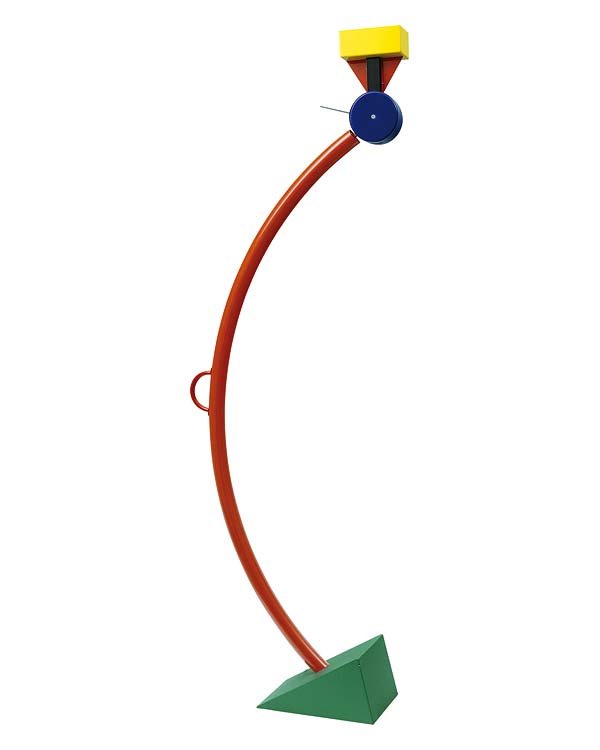
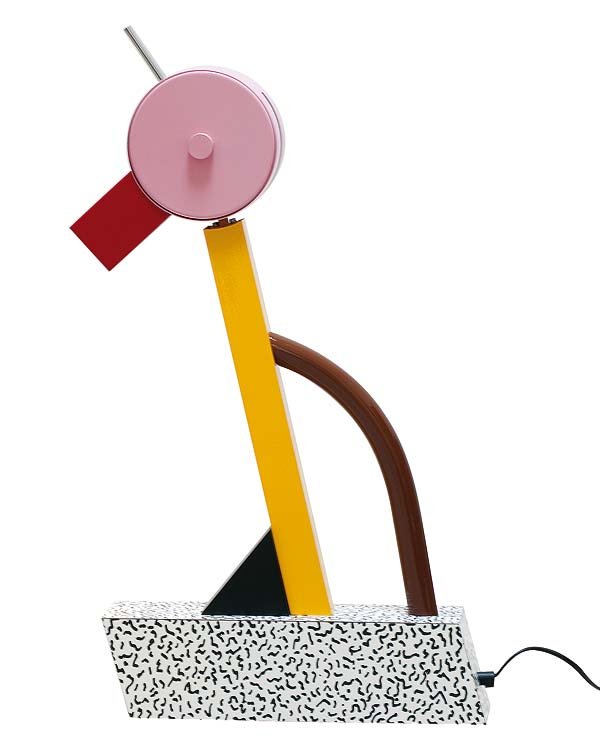

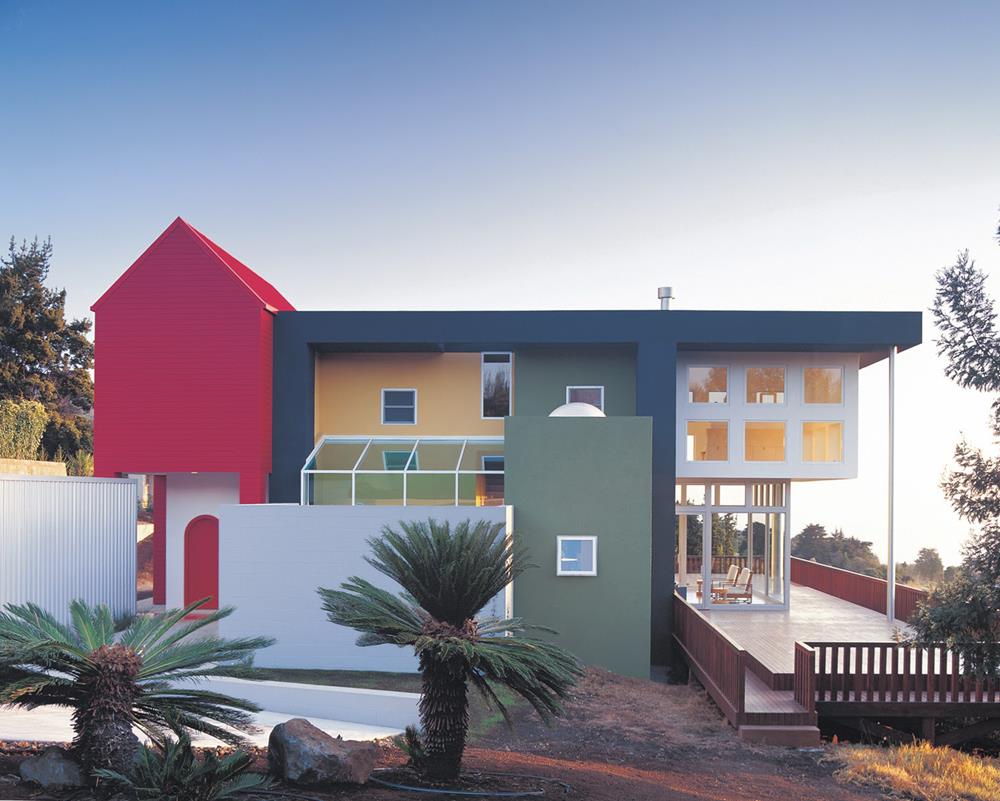

A limited-edition gold-finished version of the iconic vase, produced by BD Barcelona Design. Created in the 1970s, it showcases Ettore's passion for ceramics.
Advertising






Advertising