
Now Reading: Why Is Aesthetics Important in Design?
-
01
Why is aesthetics important in design?

Advertising

From budgeting to packing tips, here's everything you need to know to make your trip stress-free and enjoyable.
Is it to appeal to a specific audience? To follow the brand guidelines, or to meet certain standards set by the designer in his quest to express himself?
Aesthetics comes from the Greek word aisthetikê, which means sensation or perception. It is a branch of philosophy that studies the essence and perception of beauty.
When creating, it is essential to understand and be aware of the purpose of art, design, and aesthetics.
- Art: It is humanity's ability to create something.
- Design: the ability to create something functional.
- Aesthetics: the element added to a design to make it visually appealing.

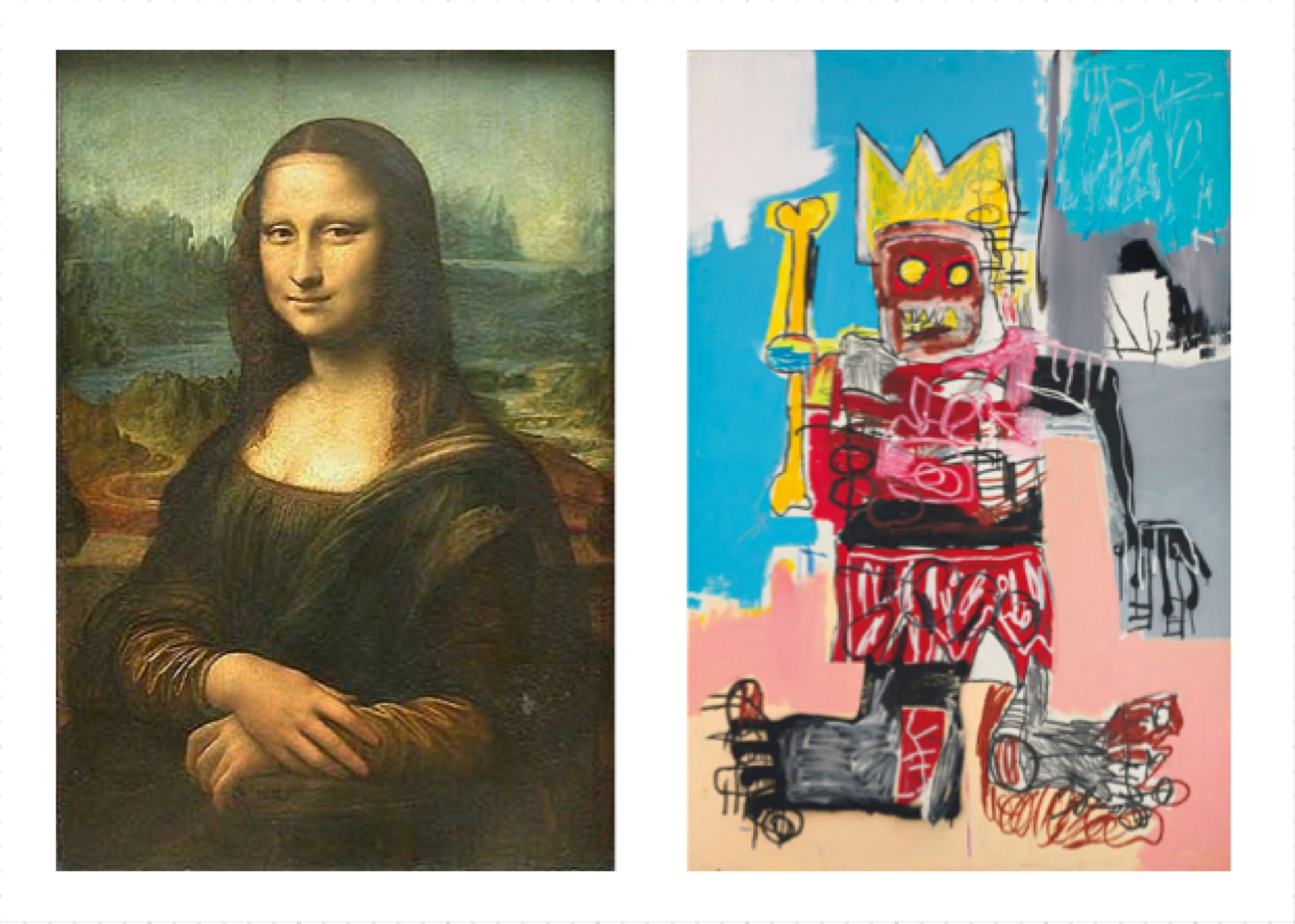
vs. Jean-Michel Basquiat (Work: Untitled)
Time period and region: key factors to consider…
If a designer’s goal is to appeal to the public, it is essential that they understand current perceptions of beauty—what is considered attractive and pleasing to the eye today. If they wish to achieve the exact opposite, their design aesthetic will result in something striking, innovative, or bizarre, connecting not with the majority of the public but with a niche market that does not follow current standards.
What has been considered beautiful throughout history is almost always a product of collective thought, which sometimes varies by region. In Ancient Greece, beauty was a combination of natural elements and mythology; Roman aesthetics were based on Greek ones. In the Middle Ages, anything with theological elements was considered beautiful. In the Modern Age, the Renaissance reigned supreme, and realism and the study of nature made a comeback.
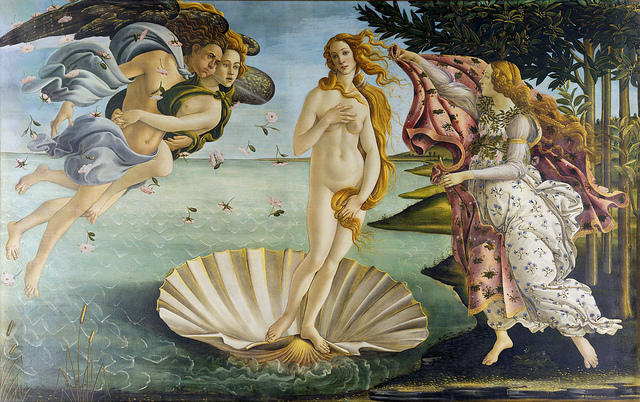
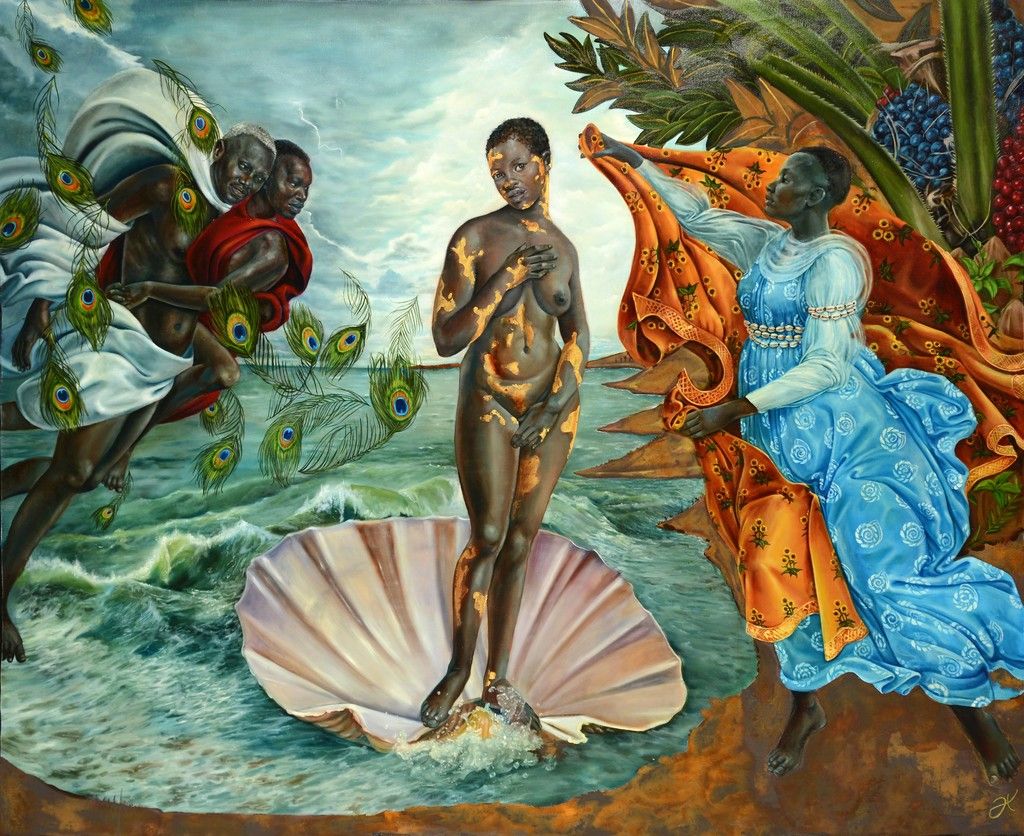
In the early 1900s, all logos—created to distinguish between different types of brands—were very elaborate, mostly inspired by the Baroque period, and consisted solely of ornate brand names.
Then, by the middle of the century, this trend evolved, and more and more brands began including figures in their logos that could be used on their own without the brand name, allowing the public to recognize the brand through a figurative logo; today, the more realistic and curved a logo’s design is, the more aesthetically pleasing we find it.


Research: the best source of inspiration.
Designers in any field have a responsibility to conduct research before designing or to possess certain prior knowledge; for example, an architect must understand the building’s intended functions before designing it, take into account the needs of those who will inhabit it, and make effective use of the available space for construction. Research provides us with valuable insights that allow us to connect with each person’s emotions and needs, as well as ensure functionality.
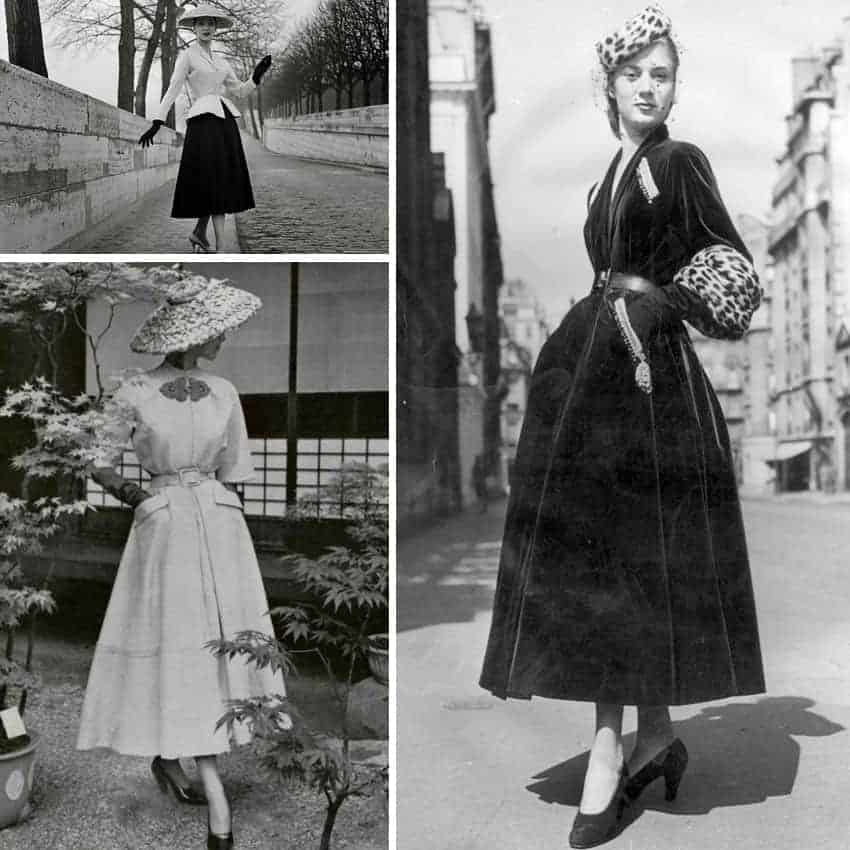
In fashion design, the word “elegant” is used all the time, butwhat characteristics come to mind when you think of elegant clothing? They mightinclude: the color black, elongated silhouettes, colors in similar shades, high heels, classic accessories, and a conservative style—all of which could be part of an outfit considered aesthetically elegant. Researching what the client considers or perceives as the style they aspire to is key when creating a design proposal—and this must be done without forgetting the context in which the piece will be worn, as that is where the client wants it to blend in or stand out.
Every brand creates its own aesthetic; it’s interesting to observe this process, since the goal is to evoke specific emotions in its potential customers. These efforts includevisual merchandising. A brand—whether on social media, its website, or in its physical store—must also convey consistent aesthetic messages so that the public can identify with the brand and recognize it by associating it with other elements, in addition to the logo. This is why architects and/or interior designers play a key role in this effort.
“I don’t like trends—they make everyone look the same.”Carolina Herrera

Aesthetics in fashion design are generally linked to trends, because that is what most people want to wear; as in theRococo period, all royal women wore crinolines to make their skirts so voluminous that it affected the aesthetics of building architecture, which had to be designed with very wide doors and hallways so that women could move about comfortably. Similarly, the revolutionary mindset of theflappers—which compelled them to change their clothing and stop wearing traditional corsets—resulted in all flappers looking the same.
In the 1920s, the Art Deco aesthetic in architecture and graphic design was also quite distinctive, and the same effect can be seen in fashion; or during the Space Age, when all design was inspired by Futurism, unconventional materials were used to transform reality into the artistic design of the era.
"The life of a designer is a life of struggle. A struggle against what is perceived as ugly. Just as a doctor fights against disease. For us, visual disease is what surrounds us, and what we try to do is cure it in some way through design" —Massimo Vignelli
Aesthetics and beauty have changed throughout history, depending on events that affect or alter the human way of life. The designer’s mission is not only to create functional objects but also beautiful ones, and this field is in constant flux, given that what was considered beautiful and aesthetically pleasing 20 years ago may very well no longer be so today.
Architecture should speak to its place and time, but aspire to timelessness. Frank Gehry

In the Biomuseo building, located on the Calzada de Amador in Panama City and designed by Frank Gehry using primary and secondary colors, upon entering you can feel an atmosphere that envelops the visitor. The first thing that comes to mind is the word “diversity,” due to the different colors and materials in various shapes strategically layered throughout the building; those who enter feel embraced by the Biomuseo. This is a combination of design features that create a specific aesthetic, which the architect achieved entirely by design; it is a beautifully designed experience.
"I'm going to make everything around me beautiful—that will be my life." Elsie de Wolfe
What did de Wolfe mean by this statement? She wanted to be surrounded by beauty her entire life, and she was determined to make sure that happened—and she did. Aesthetics in design are important because human beings are always striving to improve themselves and seeking happiness; what better way to achieve this than by surrounding ourselves with beautiful things? That’s why we’re constantly searching for whatever looks aesthetically beautiful.
How is beauty perceived today?
We probably all agree that nostalgia is the emotion we feel when we look at a contemporary design.
In architecture, there are increasingly more curved lines and designs that aim to be closer to nature or make nature the main focus.
In fashion, the modern-day hippie trend is on the rise, and we're seeing more and more collections inspired by past decades.
In interior design, anything goes, but there’s one trend that I feel is in tune with today’s sense of beauty: an approach to design that’s more environmentally friendly. And the more curved lines there are, the more beautiful it feels.

There is no doubt that everything in this world has the potential to be beautiful.
Advertising






Advertising